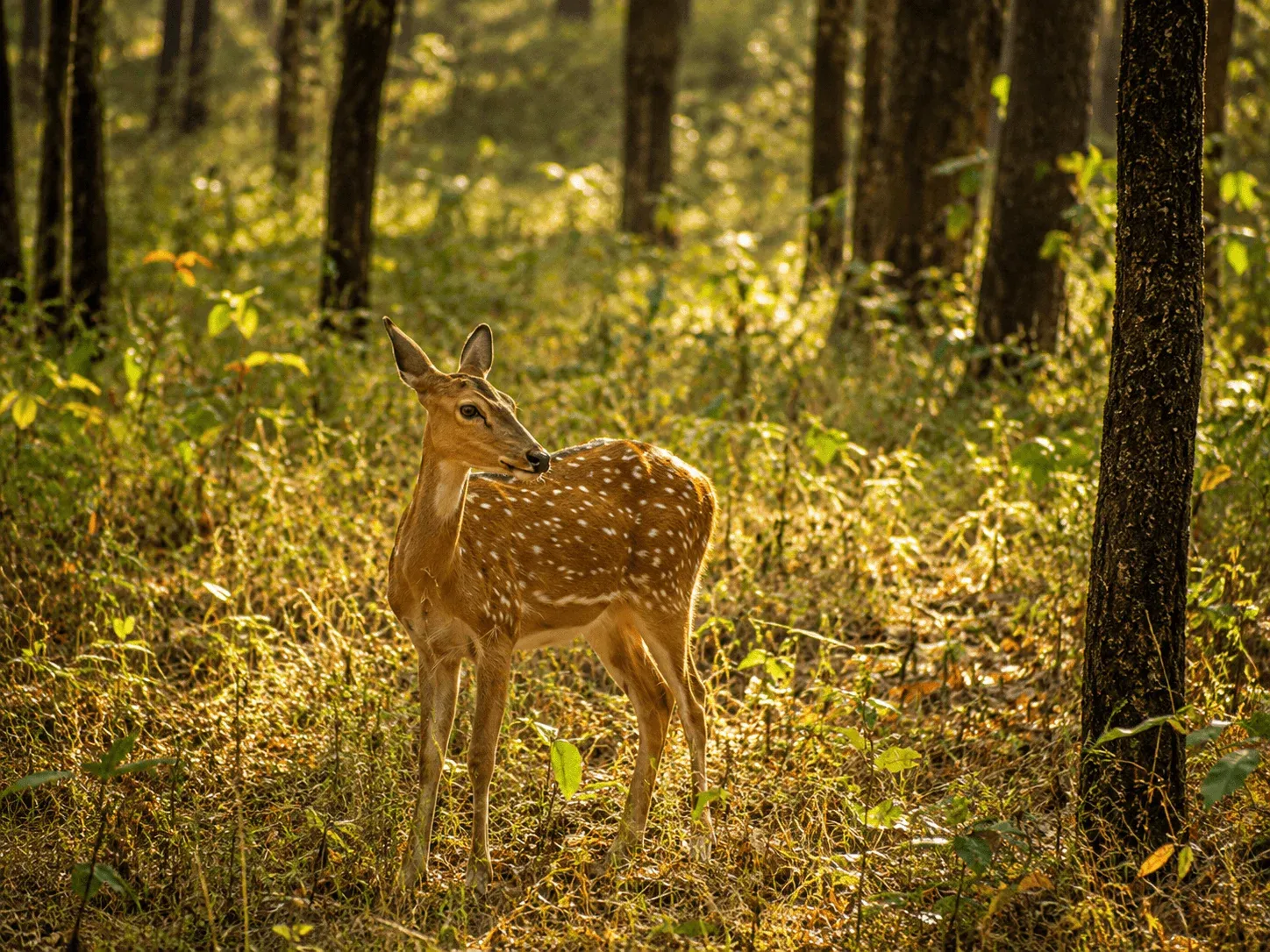
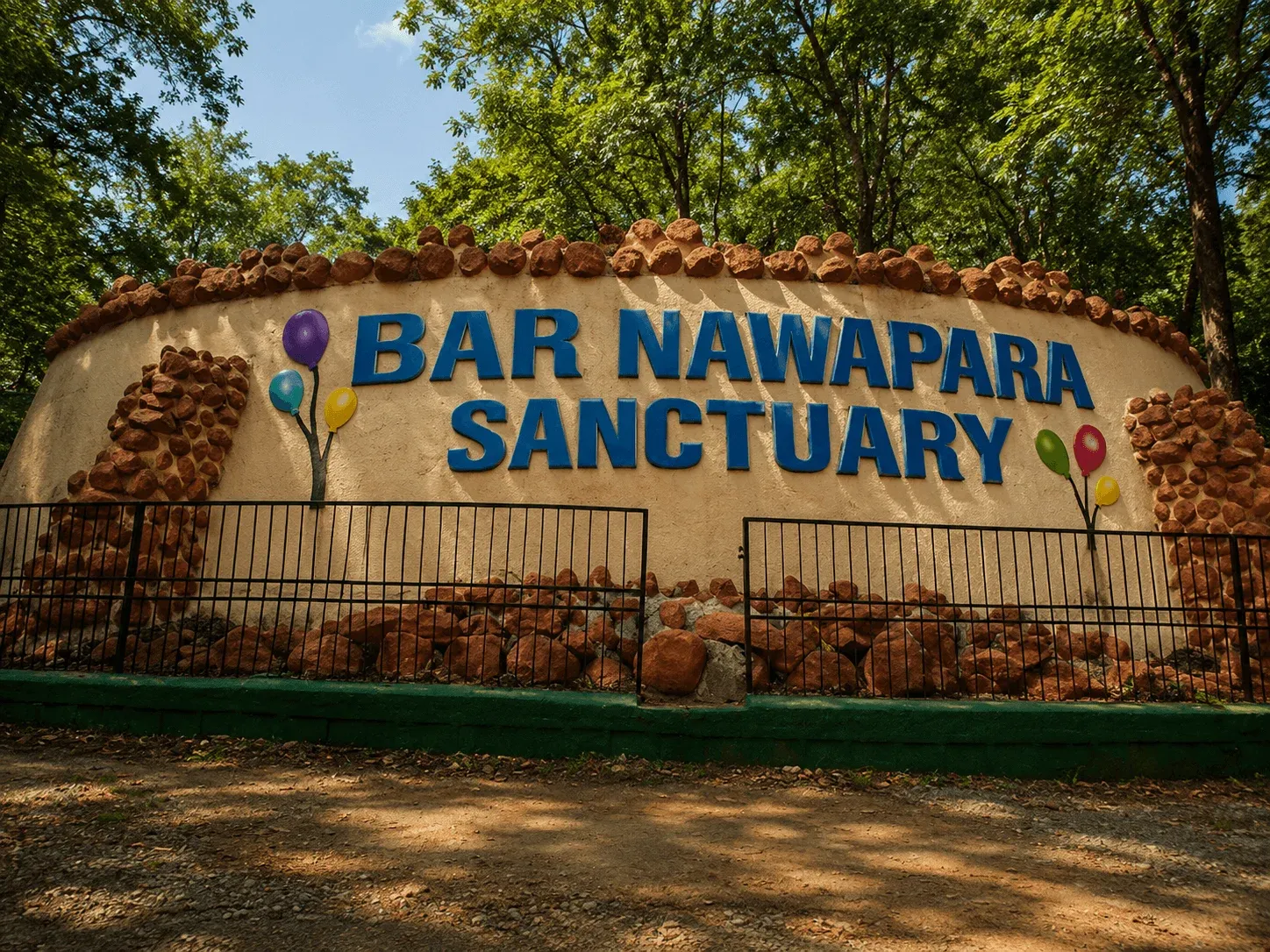
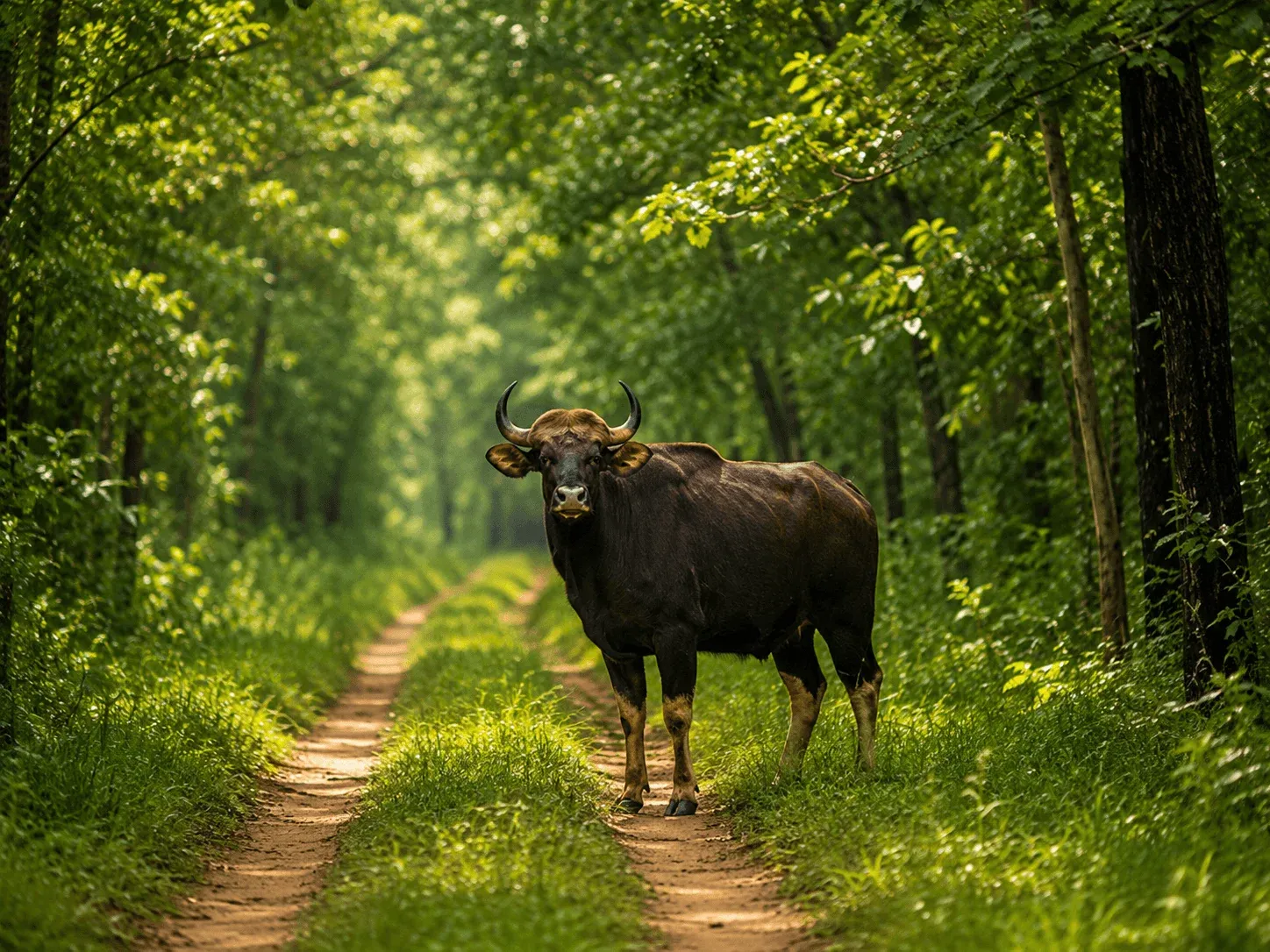
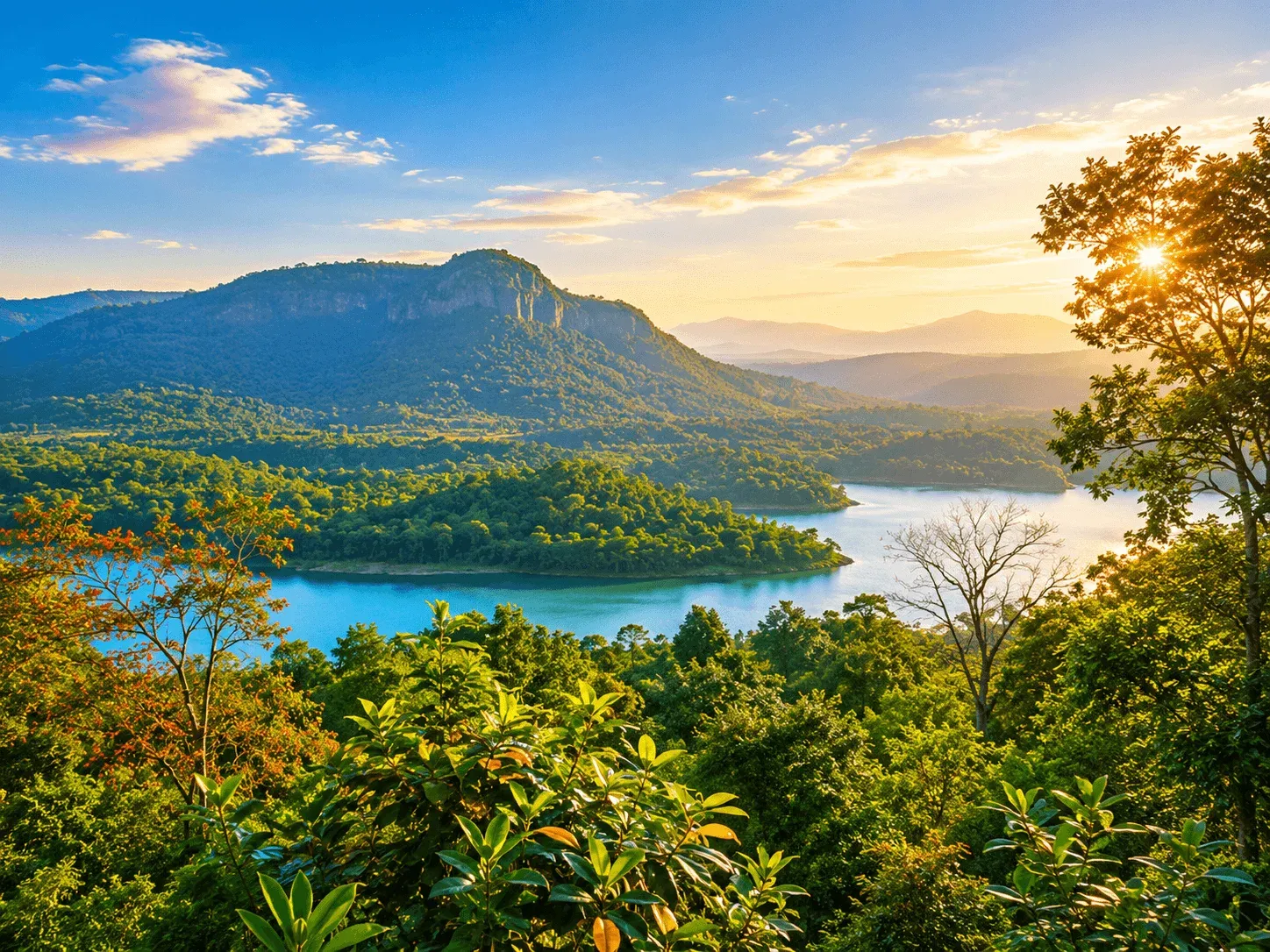
Spread across 245 sq km in Mahasamund district, Barnawapara Wildlife Sanctuary takes its name from two forest villages — Bar and Nawapara — sitting within its boundaries. Bordered by the Balamdehi and Jonk rivers, the sanctuary creates reliable dry-season watering zones that draw gaur, sloth bears, leopards, and spotted deer into the open — making it one of central India's most rewarding jeep safari spots off the beaten tourist trail.
A Glimpse into the History of Barnawapara Wildlife Sanctuary
The Land of Dakshin Koshal
The Barnawapara region was historically part of Dakshin Koshal — an ancient territory mentioned in the Ramayana and Mahabharata. The villages of Bar and Nawapara, from which the sanctuary takes its name, are among the oldest settlements in Mahasamund, with residents who have coexisted with this forest and its wildlife for generations.
Establishment and Protected Status
Barnawapara was officially designated a Wildlife Sanctuary in 1976 under the Wildlife Protection Act, carved from the Mahasamund Forest Division to protect gaur and leopard populations under growing pressure. The 245 sq km boundary was drawn to enclose the critical wildlife corridor between the Balamdehi and Jonk river systems.
The Forest Through the Centuries
Before protection, the Barnawapara forests were part of a zamindar hunting reserve, while colonial-era logging stripped much of the teak, sal, and tendu cover. Serious conservation followed post-independence, and the sanctuary formally came under Chhattisgarh's jurisdiction when the state was created in 2000.
Significance of Barnawapara Wildlife Sanctuary
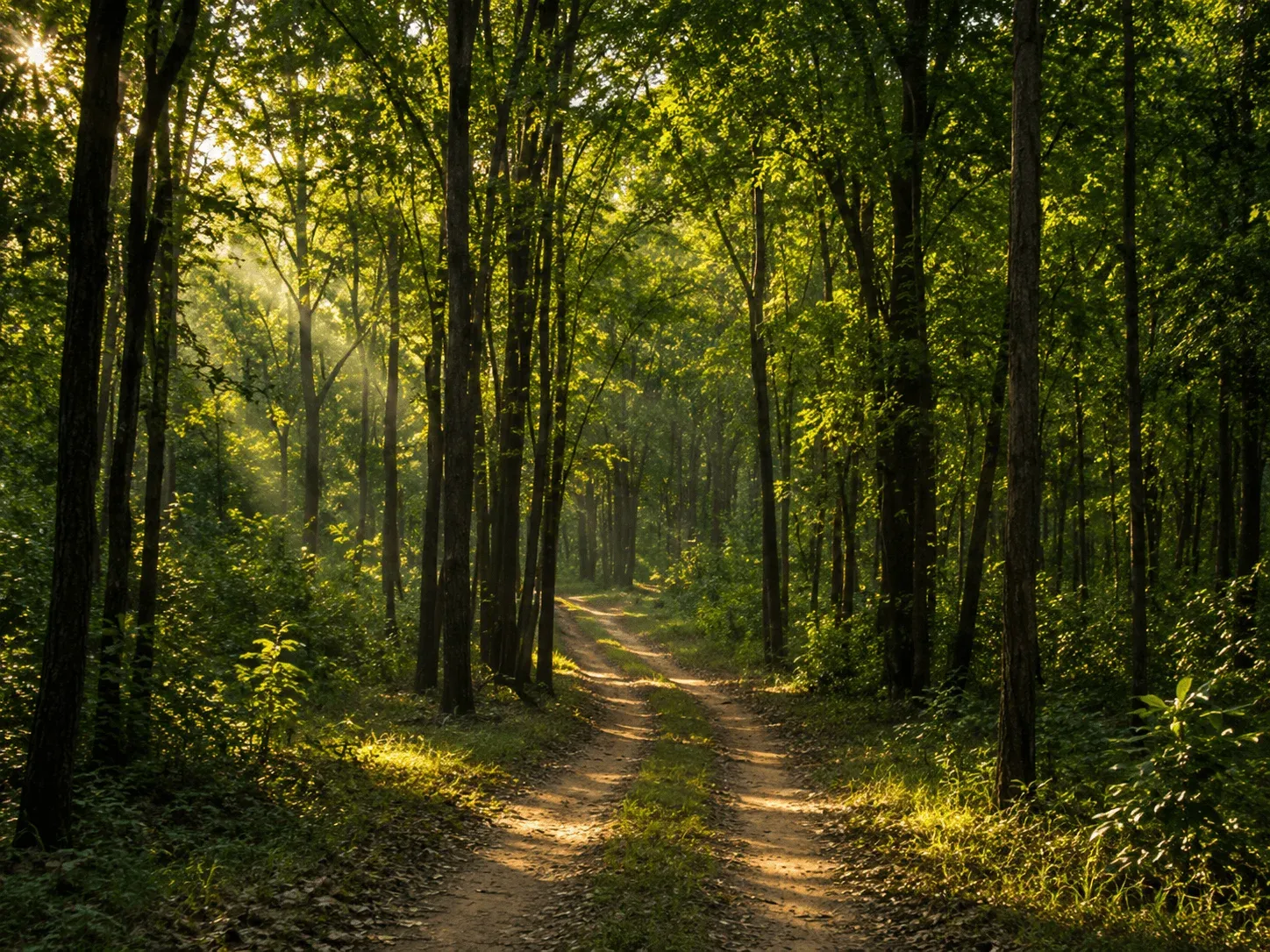
Barnawapara is one of the few intact forest corridors in Mahasamund, with dual river borders that concentrate wildlife near predictable water zones. Home to Indian gaur, leopard, sloth bear, striped hyena, nilgai, sambar, chital, langurs, and over 150 bird species, it delivers consistent wildlife sightings across seasons. The buffer zone also supports local communities through sustainable collection of tendu leaves, mahua, and bamboo.
Festivals & Seasonal Events Near Barnawapara
Hareli Festival (July–August)
Hareli — Chhattisgarh's first agricultural festival — is celebrated with energy in villages around Mahasamund, with rituals around farm tools, cattle, and the forest. The sanctuary is usually closed during peak monsoon, but a Hareli visit to nearby villages is a genuine window into rural Chhattisgarhi culture.
Sirpur Mahotsav (January–February)
Held ~80 km from Barnawapara at the ancient Sirpur archaeological site, the Sirpur Mahotsav (January–February) combines classical dance, music, and heritage walks through Chhattisgarh's most important Buddhist-Hindu ruins. Pairing a Barnawapara safari with Sirpur Mahotsav into a two-day circuit is a rewarding combination for both nature and history travellers.
Did You Know? Named After Two Forest Villages
Most sanctuaries are named after rivers or landmarks — Barnawapara is named directly after two forest villages, Bar and Nawapara, that have existed within its boundaries long before formal protection arrived. Many Forest Department safari guides are from these communities, carrying deep generational knowledge of the forest's seasonal cycles and animal behaviour that no textbook replicates.
Travel Guide to Barnawapara Wildlife Sanctuary
How to Reach Barnawapara Wildlife Sanctuary
By Air: Raipur Airport (RPR) is the nearest airport, ~90 km away, with flights from Delhi, Mumbai, Kolkata, and Hyderabad. From Raipur, take a taxi or bus to Mahasamund, then local transport to the sanctuary gate.
By Train: Mahasamund Railway Station (~55 km) is the nearest railhead, connected to Raipur and Bilaspur. Local taxis run from Mahasamund town to the forest gate.
By Road: From Raipur via NH-30 through Mahasamund — approximately 2.5–3 hours by car. State buses run Raipur–Mahasamund; local transport covers the remaining stretch to the gate.
Best Time to Visit
Nov–Mar (Best): Cool (14–26°C), active watering holes, reliable wildlife and bird sightings. Apr–Jun: Hot but great for gaur and bear near shrinking pools — go early (6 AM). Jul–Sep (Monsoon): Sanctuary typically closed; verify with the Forest Department before planning.
Local Attractions
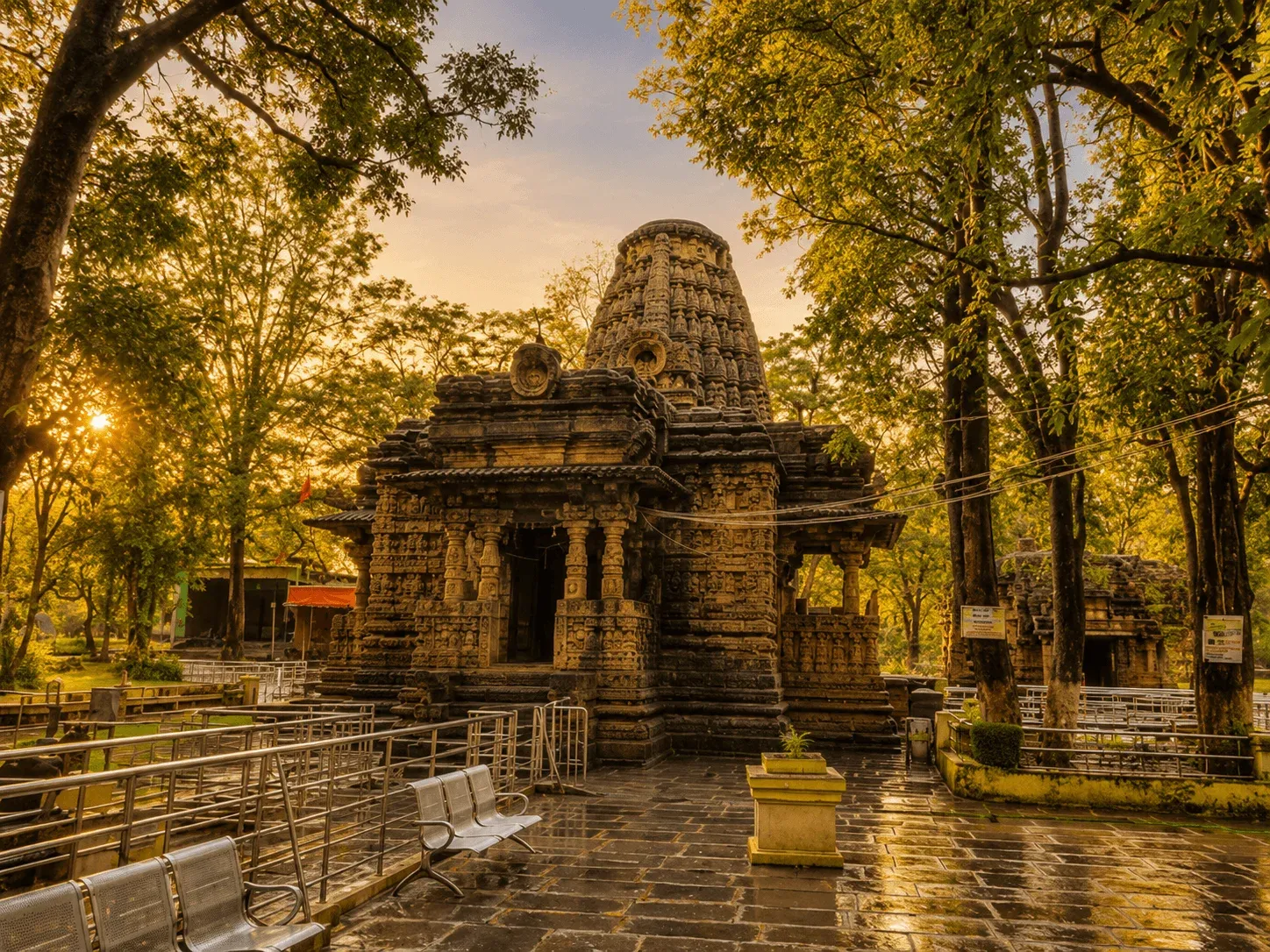
Sirpur (~80 km): Ancient city with Buddhist monasteries and Hindu temples, 5th–8th century CE ruins.
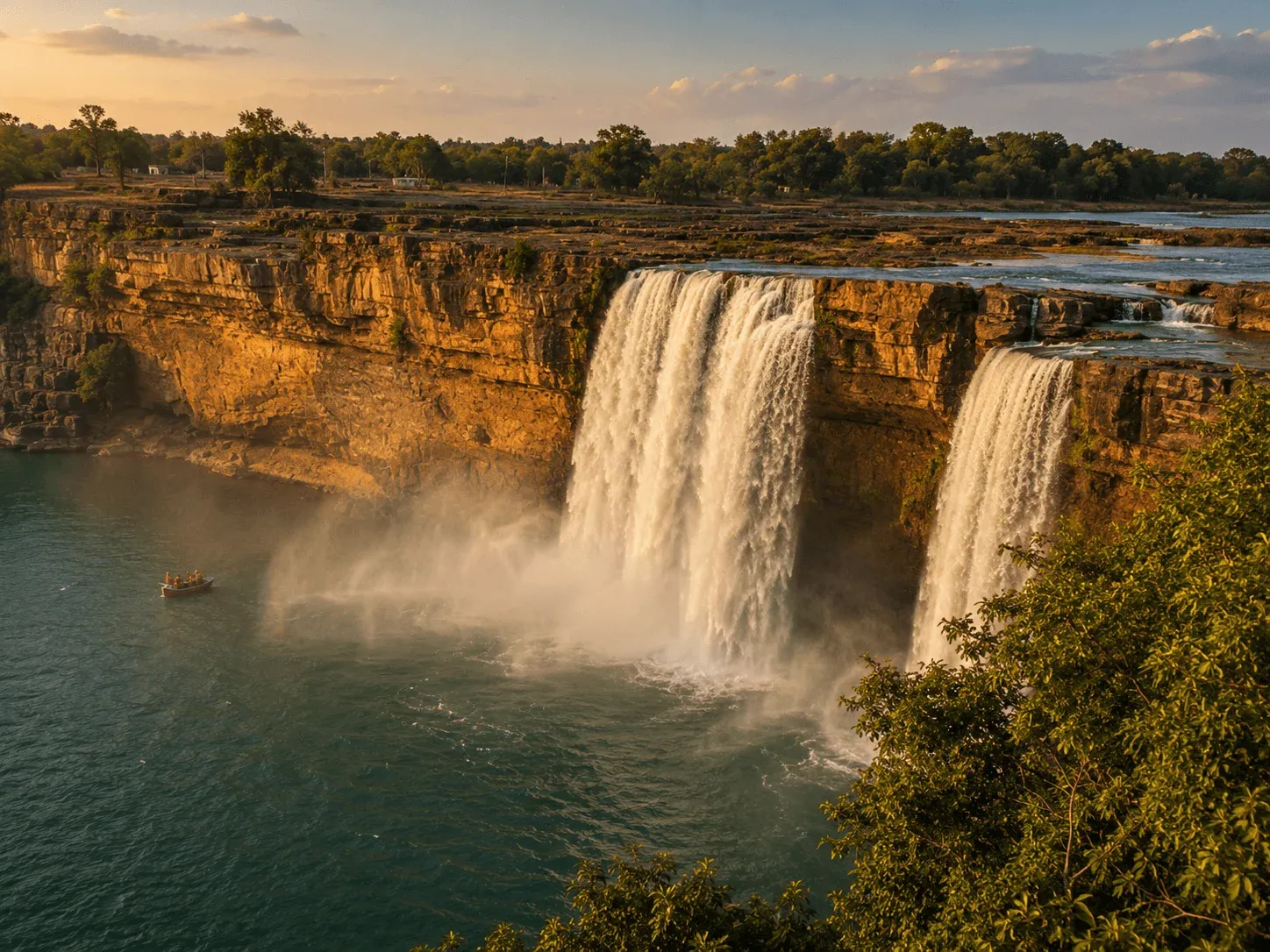
Dhaskund Waterfall (~30 km): Scenic seasonal waterfall — best after monsoon.
Raipur (~90 km): State capital with Nandan Van Zoo and strong onward connectivity.
Tips for Visitors
Book your jeep safari in advance through the Forest Department or an authorised eco-tourism operator — walk-in availability is limited, especially on weekends from November to February.
Wear earth tones (olive, khaki, brown) on safari. Bright colours disturb animals and reduce your chances of meaningful encounters. Avoid synthetic fabrics that rustle loudly while moving.
Keep voices low and phones on silent during the jeep drive. The forest rewards patience and quiet — gaur and sloth bears are far more likely to appear when your vehicle is genuinely still and silent.
Carry enough drinking water for the full safari duration. Facilities inside the forest are minimal — plan your food and hydration before entering the gate.
Barnawapara Wildlife Sanctuary Location
Image Gallery